
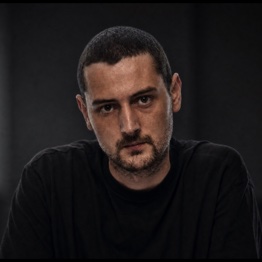
 James Hilton-Barber · · Founding document
A manifesto for my life's work
Why I'm building Sunbeam: education, the wealth gap, governance in the age of AI, and eventually a city.
Three problems have my name on them: education, the wealth gap, and a governance protocol that can survive the age of thinking machines. Beneath all of it run two convictions: that AI is about to hit the economic order like weather, and that I owe a debt to my home, South Africa. I am an avid Afrofuturist. I want African growth that makes its wealth on the continent and keeps it there, not the old extraction wearing new branding.
And yet: capitalism. I am a realist about that machine: crude, magnificent, the most powerful vehicle for change we have ever built. The best efforts are the ones that seize its multipliers for good rather than surrender them to the bad. If you're reading this, I mean to trouble your mind a little. Your view on some part of this project matters deeply to me.
- Education is broken. Not bruised, not underfunded. Broken, and its failure amounts to gross misconduct in most of its forms. Half of American graduates are working jobs that don't require their degree a year after they finish. In an AI-dominated world, learning "stuff" is worth less by the season. What endures is learning to think: to walk into any domain and take the problem apart, once implementation is no longer the hard part.
- The wealth gap is unsustainable, and it makes life meaner for everyone, winners included. Nine in ten American children born in 1940 out-earned their parents. For those born in 1984, it's a coin flip.
- Fully representative democracy will not hold in an age of disinformation. The democracy available to the average person on earth is back at 1978 levels. The old form worked when an expert was a vetted, trusted thing. Now anyone can wear the costume, the lies are abundant, and we will need something different.
What I think is coming
My assumptions, laid on the table. AGI disrupts the workforce: at minimum, companies founded and sold by ever-smaller bands of people, the trickle-down thinned to a drip. Sixty people took a software company from zero to $100M in annual revenue in about twenty months. Educational institutions will disappoint more and more people as what's worth paying for changes underneath them. The economic and political world order will shift, substantially, soon. Sam Altman calls it Moore's Law for everything: everything halving in cost every two years as AI takes on the work, and the wealth pooling with whoever owns the systems.
Meanwhile the cities swell and presence unbinds from place; work is no longer where the desk is. The spaces where people dream, build and play have not yet found their true form for this era.
And there is fear in here; I won't pretend otherwise. Rising seas, war at a global scale, a serious technological mishap, misaligned AI, class revolution: each unlikely, none impossible. So I prepare for the worst.
Sunbeam
Sunbeam exists to gather bright, moral minds and help them find the levers, the places where capitalism can be made to serve. We'll do it with a few core vehicles, spanning life, work and play. And then we'll multiply it.
First Light is the opening move. Three months, project-based, free and remote: a program for falling in love with the problem. Weekly meetings with mentors, a global network, 1:1 check-ins along the way.
Free forever. In the short term that promise is kept on the ramen diet; in the long term, the School and Accelerator keep it.
From the first First Light batch we'll raise a members-only network, combined with invited industry professionals. Watching CODE, the software university in Berlin, grow through its early years taught me how much a curated network matters. CODE did it twice over: through its own admissions, and by planting itself inside Factory Berlin.
There is real power in putting the ones still figuring out what to learn in a room with the ones already doing. It does wonders for the short- and long-term success of good ideas, and both sides walk away richer.
Everyone contributes in the form most comfortable to them. For some, that's fees. For others, art and play. For some, free time. For others, opportunities. Interdisciplinary out of necessity: students, makers, builders, fashion, art, tech.
Identity is everything. Serious people will only embed themselves in a network they're proud to be seen in, so the brand must be excellent.
In time, membership becomes a form of citizenship: a passport-like document of resident or non-resident standing, the type of membership setting fees the way a state sets taxes.
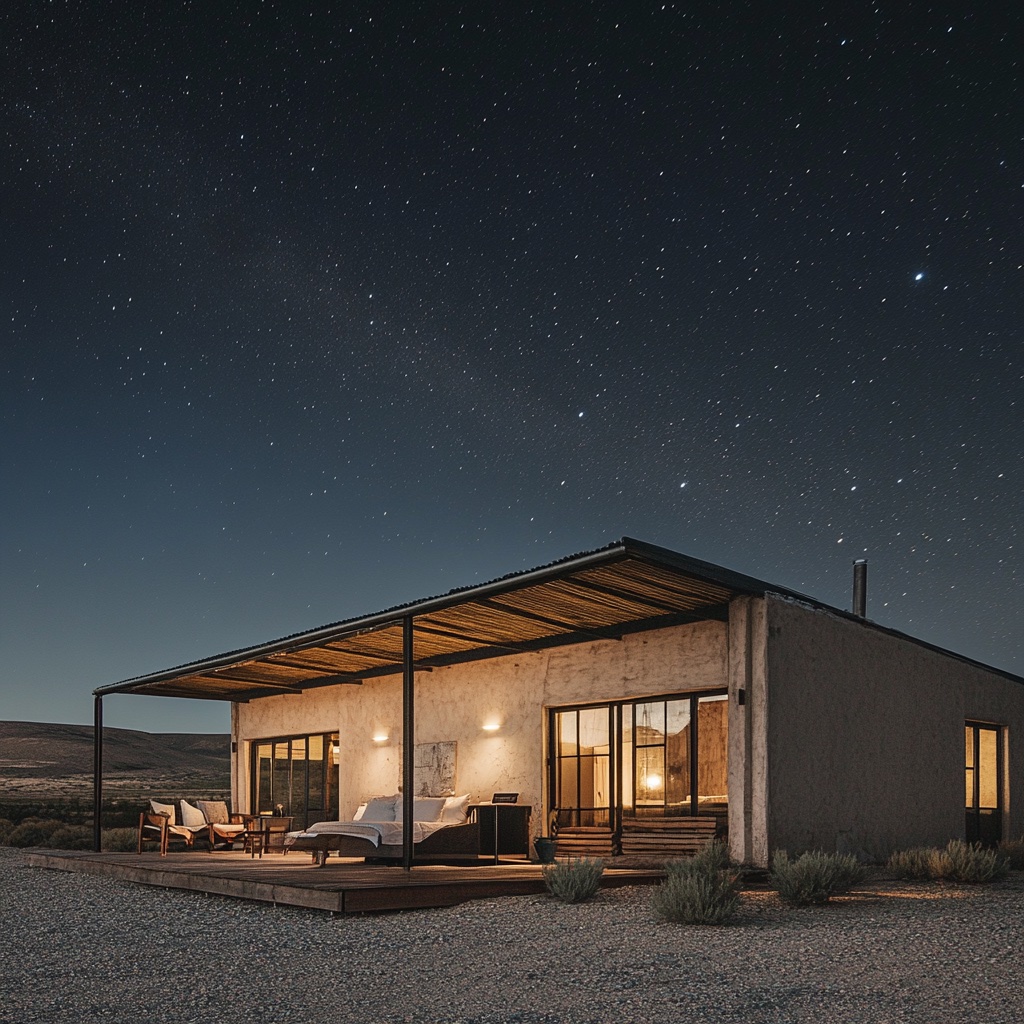
Dynamic, interdisciplinary spaces: function over form, utility over aesthetic. Learn. Work. Stay. Comfortable desks and simple beds, for day-trippers and long residencies, in high-visibility but remote places. Each one a rehearsal for the eventual city, working out an architectural language sturdy enough to build a future on.
School marries the tried and tested playbook of YC startups to curiosity-driven learning: solve, make, do, whatever the dream. In person and online, paid or financed.
A pre-seed investment vehicle to multiply the sunbeam effect. Cultivate physical and digital networks across education and innovation, and people build great things. The Accelerator's work is on the ground: find the talent, vet it, back it. Individuals or companies. Fixed-term YC-style investments for companies; income share agreement funding for students at School and other institutions.
And a sustainable governance protocol to balance democratic representation against public interest in a world of intelligence on tap. Financing, monitoring and verification included. The structure is written down: the mission owns the company, investor returns are capped, and everything above the cap flows to the free layer.
The city state
Yes, really. I want to build a city.
A world-class one, from first principles. As globalization and climate change press on, where people choose to live and work will become a question of quality of life, and little else. Modular, opinionated architecture. Transport drawn on a clean slate. And everything the city runs on built open source, from the trams to identity, administration and network security, for anyone to inspect and build on.
It probably doesn't conclude in my lifetime.
If you have a view on any of this, write to sunbeam@hiltonbarber.com.